

Morocco is a land of incredible diversity, where ancient traditions blend seamlessly with breathtaking landscapes and vibrant cities. From the majestic peaks of the Atlas Mountains to the golden sands of the Sahara Desert, this North African gem offers a wealth of unforgettable experiences. Whether you’re drawn to the bustling souks, tranquil coastal towns, or historic medinas, Morocco has something for every traveler. This guide highlights the must-see destinations that showcase the country’s rich culture, natural beauty, and timeless charm, ensuring your journey is as magical as the land itself.
Marrakech: The Vibrant Red City
Marrakech is a city that effortlessly blends ancient traditions with modernity. Known as the “Red City” due to its terracotta buildings, it offers a rich cultural experience. The bustling Jemaa el-Fnaa square is the heart of the city, filled with storytellers, musicians, and food vendors. Visitors can explore the historical Koutoubia Mosque, the majestic Bahia Palace, and the serene Majorelle Garden. With its vibrant souks, luxurious riads, and vibrant nightlife, Marrakech promises an unforgettable experience.
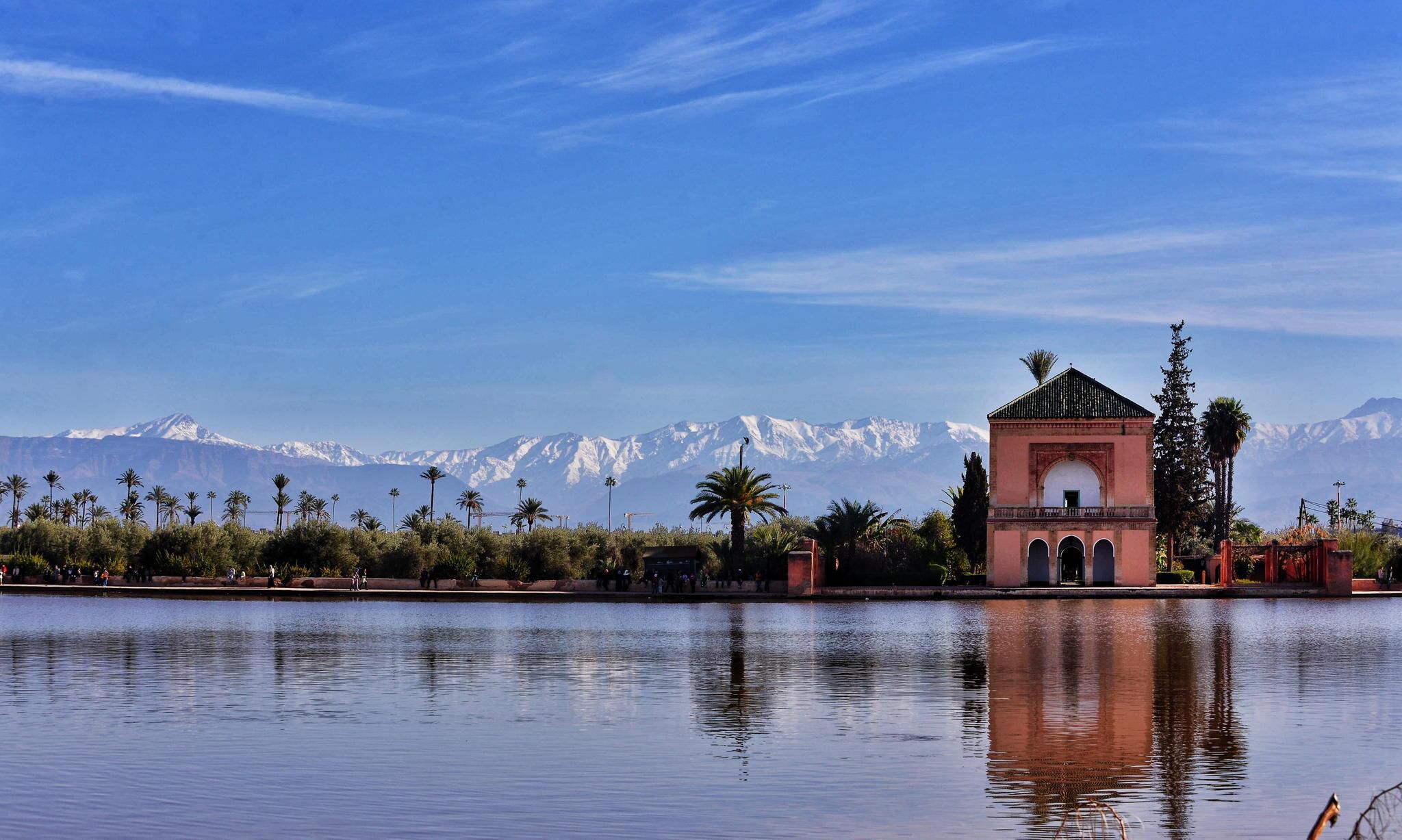
Beyond sightseeing, Marrakech also offers cooking classes and Moroccan craft workshops, allowing visitors to immerse themselves in local traditions. A stroll through the Mellah, the old Jewish quarter, provides insights into the city’s diverse cultural tapestry.
Fes: The Cultural Capital
Step back in time with a visit to Fes, the spiritual and cultural heart of Morocco. Its UNESCO-listed medina is one of the largest pedestrian-only zones in the world, where visitors can wander through narrow alleyways filled with artisans crafting goods in traditional ways. Key attractions include the University of Al Quaraouiyine, the world’s oldest operating educational institution, and the Chouara Tannery, where leather is dyed using centuries-old methods. Fes is a city that offers a deep dive into Morocco’s rich history and traditions.
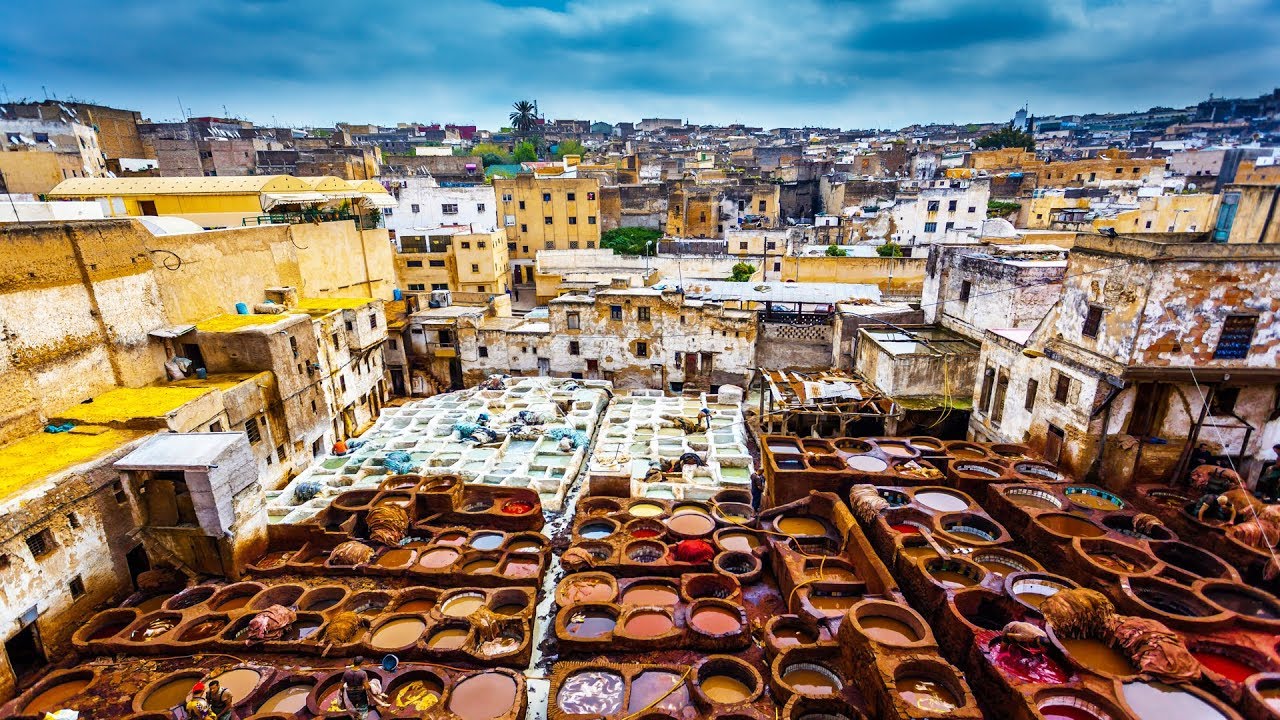
For those seeking a unique experience, guided medina tours can reveal hidden treasures like secret gardens, historic fountains, and centuries-old riads. Fes is also known for its traditional hammams, offering a glimpse into Moroccan wellness rituals.
Chefchaouen: The Blue Pearl
Nestled in the Rif Mountains, Chefchaouen is a haven of tranquility. Its blue-painted streets and buildings create a magical atmosphere, making it one of the most photogenic towns in the world. This charming town is perfect for leisurely exploration, with cozy cafés, artisan shops, and stunning views of the surrounding mountains. Chefchaouen also serves as a gateway to natural attractions like Akchour Waterfalls, ideal for nature lovers and adventurers.

The town is particularly famous for its weaving and wool products, making it a wonderful place to purchase authentic Moroccan handicrafts. Early morning walks in Chefchaouen’s medina offer serene views and a chance to capture the town in its calmest moments.
Casablanca: The Modern Metropolis
Casablanca, Morocco’s largest city, is a hub of commerce and culture. While it may not have the medieval charm of Fes or Marrakech, it offers a glimpse into modern Moroccan life. The iconic Hassan II Mosque, with its breathtaking architecture and seaside location, is a must-visit. The city is also home to vibrant neighborhoods like the Corniche and the Art Deco district. Casablanca serves as a perfect starting point for exploring Morocco’s diverse regions.
Food enthusiasts can explore Casablanca’s contemporary dining scene, from gourmet Moroccan cuisine to international offerings. The city also has a lively arts scene, with galleries and performance spaces showcasing Morocco’s modern creativity.
Essaouira: A Coastal Gem
Essaouira is a coastal city that offers a laid-back vibe and stunning seaside views. Known for its windy beaches, it’s a favorite destination for windsurfing and kitesurfing enthusiasts. The medina, a UNESCO World Heritage Site, features narrow streets lined with whitewashed buildings, art galleries, and craft shops. Essaouira’s fishing port adds to its charm, offering fresh seafood and picturesque scenes of traditional blue boats.
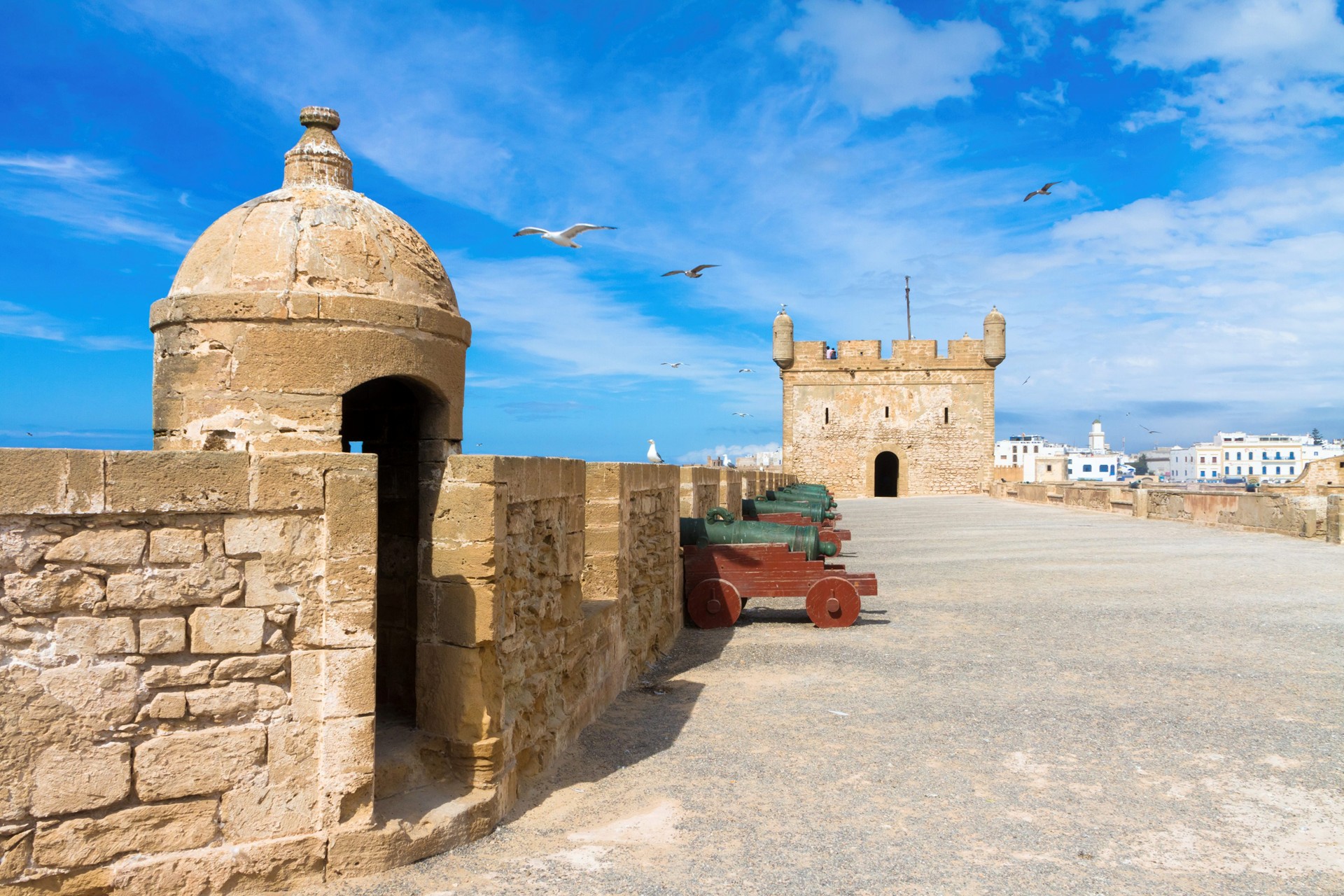
The city hosts annual music festivals, including the Gnaoua World Music Festival, which attracts international performers and visitors alike. Walking along the ramparts at sunset provides breathtaking views of the Atlantic Ocean.
Merzouga: Gateway to the Sahara
Merzouga is a small village on the edge of the Sahara Desert, famous for its towering sand dunes. A visit to Merzouga offers the quintessential desert experience, from camel treks at sunset to nights spent under a canopy of stars in luxury desert camps. The region is also home to traditional Berber villages and unique wildlife, making it a must-visit for adventure seekers and cultural enthusiasts alike.
Visitors can also experience sandboarding, 4×4 desert excursions, and meet nomadic communities, learning about their centuries-old way of life. The sunrise over the Erg Chebbi dunes is an awe-inspiring sight not to be missed.
Rabat: The Political and Historical Hub
Rabat, Morocco’s capital, is a blend of modernity and history. The city boasts a relaxed atmosphere with well-maintained streets and green spaces. Historical landmarks like the Hassan Tower, the Mausoleum of Mohammed V, and the Kasbah of the Udayas showcase Rabat’s rich heritage. Its coastal location offers opportunities for seaside walks, while its contemporary art scene adds a modern twist to this historical city.
Rabat also offers family-friendly attractions, such as the Rabat Zoo and the Andalusian Gardens. Evening strolls along the Bouregreg River promenade reveal a city balancing tradition with modern urban life.
Meknes: The Forgotten Imperial City
Often overshadowed by Fes and Marrakech, Meknes is a hidden gem that exudes charm and history. As a former imperial city, it features grand monuments like the Bab Mansour gate, the Sahrij Swani reservoir, and the Mausoleum of Moulay Ismail. Its smaller medina offers a quieter, more intimate experience compared to its larger counterparts, making Meknes a peaceful retreat for history buffs.
Wine lovers can explore the nearby vineyards of Meknes, offering tastings of local Moroccan wines. The city’s architecture and gardens provide a tranquil escape from Morocco’s busier tourist spots.
Ouarzazate: Hollywood of Morocco
Known as the “Door of the Desert,” Ouarzazate is a gateway to Morocco’s southern regions. The city is famous for its film studios and its role in movies like Gladiator and Game of Thrones. Aït Benhaddou, a nearby UNESCO World Heritage Site, is an ancient ksar that attracts visitors with its stunning architecture and scenic views. Ouarzazate is also the starting point for exploring the Draa Valley and the Sahara.
Adventure seekers can embark on 4×4 excursions to desert landscapes and palm groves, while photography enthusiasts will find endless opportunities for striking shots of the kasbahs and dramatic sunsets.
Agadir: A Beach Lover’s Paradise
Agadir is a modern coastal city known for its sandy beaches and relaxed atmosphere. It’s a favorite destination for those looking to unwind by the sea. The city offers a range of activities, from water sports to golf, and features a vibrant nightlife. Agadir is also a great base for exploring the nearby Souss-Massa National Park and the charming town of Taroudant.
For wellness travelers, Agadir provides numerous spas and resorts offering traditional hammam treatments and relaxing retreats. Sunset walks along Agadir’s long beaches offer the perfect end to a day in this sunny coastal city.
Frequently Asked Questions (FAQ)
1. What is the best time to visit Morocco?
The ideal time to visit is during spring (March to May) and autumn (September to November), when the weather is mild and comfortable for sightseeing and desert excursions. Summers can be very hot, especially in the interior and desert regions.
2. Do I need a visa to visit Morocco?
Citizens of many countries can enter Morocco visa-free for up to 90 days, but it’s important to check current regulations before traveling.
3. Is Morocco safe for tourists?
Yes, Morocco is generally safe for travelers. Standard precautions, like avoiding poorly lit areas at night and keeping valuables secure, are recommended. Tourist areas are usually well-patrolled and friendly.
4. What should I wear in Morocco?
Morocco is a predominantly Muslim country, so modest clothing is advised, especially in rural areas and religious sites. Lightweight, breathable clothing is recommended for warm days, while evenings can be cooler in the mountains and desert.
5. How can I get around Morocco?
Morocco offers a range of transportation options:
Trains connect major cities like Casablanca, Marrakech, Fes, and Rabat.
Buses and grand taxis serve towns and rural areas.
Car rentals offer flexibility for exploring off-the-beaten-path destinations.
6. Are guided tours necessary?
While not mandatory, guided tours can greatly enhance your experience, especially in medinas like Fes and Marrakech, where narrow alleyways can be confusing. Local guides also provide cultural insights and help you discover hidden gems.
Conclusion
Morocco is a land of contrasts, where ancient traditions meet modern life, and breathtaking landscapes span from majestic mountains to golden deserts and serene coastlines. Every city, town, and village tells its own story, offering travelers a chance to immerse themselves in a culture that is rich, vibrant, and deeply rooted in history. Whether wandering through the bustling souks of Marrakech or exploring the labyrinthine alleys of Fes, each experience provides a unique window into Morocco’s heritage.
Beyond the cities, Morocco’s natural beauty leaves a lasting impression. The tranquil Rif Mountains, the dramatic peaks of the Atlas, and the endless dunes of the Sahara Desert create landscapes that are perfect for adventure and reflection alike. Coastal towns like Essaouira and Agadir provide a refreshing contrast, where the sea breeze and laid-back atmosphere offer moments of calm and relaxation. Every region invites exploration and rewards travelers with unforgettable sights and experiences.
Morocco is also a place of sensory delights. The aroma of spices in local markets, the vibrant colors of handwoven rugs, the sounds of traditional music echoing through medinas, and the flavors of tagines and couscous all combine to create an immersive journey. Travelers can engage with artisans, join in local festivals, or simply sit back with a cup of mint tea and watch the world go by, absorbing the rhythm of Moroccan life.
Ultimately, a trip to Morocco is more than sightseeing—it’s a journey into a culture that balances tradition and modernity, adventure and tranquility, history and innovation. Whether you are seeking cultural enrichment, thrilling adventures, or peaceful escapes, Morocco offers experiences that will linger in your heart long after you leave. Every traveler leaves with memories of a country that is as magical as it is diverse, promising a story worth sharing.