

Morocco stands as a captivating crossroads where ancient traditions meet modern vibrancy. This North African gem offers travelers an immersive experience into a culture shaped by Berber, Arab, African, and European influences. From the aromatic spices wafting through bustling souks to the intricate patterns adorning historic monuments, Moroccan culture is a feast for all senses.
Understanding Moroccan Cultural Identity
The foundation of Moroccan society rests on deeply rooted values that have been preserved through generations. Hospitality stands at the core of Moroccan identity, where welcoming guests is considered both an honor and a sacred duty. Families form the cornerstone of social structure, creating tight-knit communities that support one another through life’s journey.
Morocco’s cultural richness stems from its diverse heritage. The indigenous Berber population has inhabited these lands for thousands of years, contributing their languages, customs, and artistic traditions. Arab influence arrived in the 7th century, bringing Islam and enriching the cultural tapestry. European colonial periods, particularly French and Spanish, left their mark on architecture, language, and administrative systems.
Today’s Morocco beautifully balances tradition with modernity. While younger generations embrace contemporary lifestyles, they maintain strong connections to their ancestral customs. This dynamic creates a fascinating cultural landscape where medieval medinas coexist with modern cities, and ancient crafts thrive alongside cutting-edge industries.
The Art of Moroccan Hospitality
Moroccan hospitality is legendary and forms an essential part of the cultural experience. When you visit a Moroccan home, expect to be treated like royalty. The tradition of serving mint tea, known as “whiskey marocain,” is a ritual that symbolizes friendship and respect. The tea ceremony involves a precise pouring technique from height, creating a frothy top that’s considered the mark of expertly prepared tea.
Guests are always offered the best seats and the choicest portions of food. Refusing hospitality is considered impolite, so visitors should graciously accept at least a small amount of what’s offered. This warmth extends beyond homes into businesses, riads, and everyday interactions throughout Morocco.
The concept of “baraka,” meaning blessing or divine grace, permeates Moroccan culture. People frequently invoke phrases like “inshallah” (God willing) and “hamdullah” (thank God) in daily conversation, reflecting the deep integration of faith into everyday life.

Moroccan Cuisine: A Gastronomic Paradise
Traditional Dishes and Flavors
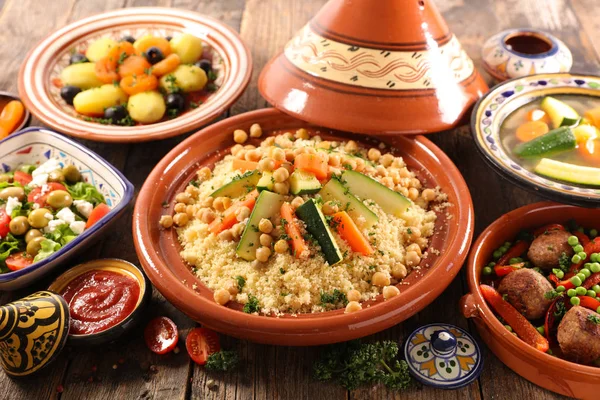
Moroccan cuisine ranks among the world’s finest, offering a sophisticated blend of spices, textures, and cooking techniques. The tagine, Morocco’s most iconic dish, takes its name from the distinctive clay pot with a conical lid. This cooking vessel creates a unique steaming effect that produces incredibly tender meat and perfectly cooked vegetables.
Couscous holds sacred status in Moroccan cuisine, traditionally served on Fridays after prayer. The tiny granules of semolina are steamed multiple times to achieve perfect lightness and fluffiness. Families gather around a large communal plate, often topped with vegetables, chickpeas, raisins, and slow-cooked meat in a rich broth.
Pastilla (or bastilla) represents the pinnacle of Moroccan culinary artistry. This elaborate pie combines sweet and savory elements, traditionally featuring pigeon or chicken layered with almonds, eggs, and aromatic spices, all wrapped in delicate warqa pastry and dusted with cinnamon and sugar.
Harira soup serves as Morocco’s comfort food, especially during Ramadan when it breaks the daily fast. This hearty blend of tomatoes, lentils, chickpeas, and sometimes lamb creates a warming, nutritious meal enriched with fresh herbs and a squeeze of lemon.
The Spice Market Experience
Moroccan spice markets assault the senses in the most delightful way. Vendors display pyramids of vibrant spices in every hue imaginable. The signature spice blend, ras el hanout, combines up to thirty different spices and varies by region and family recipe. Other essential spices include cumin, coriander, saffron, ginger, and the distinctive preserved lemons that add brightness to many dishes.
Street food culture thrives throughout Morocco. Snail soup, grilled sardines, msemmen (layered flatbread), and fresh-squeezed orange juice provide affordable and delicious sustenance. The Jemaa el-Fnaa square in Marrakech transforms into an open-air restaurant each evening, offering an unforgettable dining experience.
Moroccan bread, known as khobz, accompanies every meal and often serves as an edible utensil. Baked fresh daily in communal ovens or neighborhood bakeries, this round flatbread has a slightly chewy texture perfect for scooping up tagines and salads.
Tea Culture and Social Bonding
Mint tea transcends mere beverage status to become a cultural institution. Preparing and serving tea follows specific rituals that demonstrate respect and care for guests. The tea master (usually the head of household) combines green tea with fresh mint leaves and copious amounts of sugar, brewing it in a distinctive silver teapot.
The serving ceremony involves pouring from a height to aerate the tea and create foam. Guests typically receive three glasses, with a saying that captures the progression: “The first glass is as gentle as life, the second is as strong as love, the third is as bitter as death.” Refusing tea can be considered offensive, so accepting at least one glass shows respect for your host.
Tea houses, or salons de thé, provide social gathering spaces where people meet to chat, play cards, or discuss business. These establishments range from humble neighborhood spots to elegant cafes serving pastries and light meals alongside the ubiquitous mint tea.
/mintteaGettyImages-153314510-56ebda845f9b581f34531faf.jpg "Moroccan Culture and Traditions: A Journey Through Heritage, Cuisine, and Craftsmanship 3")
Moroccan Festivals and Celebrations
Religious Festivals
Morocco’s festival calendar revolves around Islamic holidays that follow the lunar calendar, shifting dates each year. Ramadan, the holy month of fasting, transforms daily life as Muslims abstain from food and drink from dawn to sunset. The evening meal, iftar, becomes a time of community gathering and celebration.
Eid al-Fitr marks the end of Ramadan with three days of festivities. Families dress in new clothes, attend special prayers, and share elaborate meals. Children receive gifts and money, while communities come together in a spirit of joy and thanksgiving.
Eid al-Adha, the festival of sacrifice, commemorates Abraham’s willingness to sacrifice his son. Families who can afford it purchase a sheep, which is slaughtered according to Islamic law. The meat is divided into thirds: one portion for the family, one for friends and relatives, and one for those in need.
Ashura, observed on the tenth day of Muharram, holds special significance in Morocco. While it commemorates different events for Sunni and Shia Muslims, Moroccans celebrate with special foods, charity, and festive activities for children. The day has pre-Islamic Berber roots and includes traditions like water fights and gift-giving.
Moussems: Traditional Festivals
Moussems represent uniquely Moroccan festivals that blend religious devotion with cultural celebration. These events honor local saints and provide opportunities for communities to gather, trade, and celebrate their heritage. Each region hosts its own moussems, creating a rich tapestry of local traditions throughout the year.

The Tan-Tan Moussem, recognized by UNESCO as intangible cultural heritage, celebrates Saharan nomadic culture. This gathering includes camel racing, traditional music performances, and displays of Hassani poetry. Tribes come from across the region to participate in this vibrant celebration of desert life.
The Imilchil Marriage Festival in the Atlas Mountains attracts couples seeking to formalize their unions. This September gathering follows ancient Berber traditions and draws thousands of visitors. The festival includes traditional music, dancing, and the famous bridal procession where women wear elaborate silver jewelry and colorful textiles.
The Rose Festival in Kelaat M’Gouna celebrates the rose harvest each May. The Dades Valley produces vast quantities of roses used in cosmetics and perfumes. The festival features parades, rose queen selections, traditional music, and displays of rose products. Visitors can witness rose picking and distillation processes during their desert tours from Marrakech.
Contemporary Cultural Events
Morocco hosts numerous festivals that showcase its modern cultural scene while honoring traditions. The Fes Festival of World Sacred Music brings together musicians from various spiritual traditions, creating a dialogue through music. This internationally acclaimed event transforms Fes into a hub of cultural exchange each June.
The Marrakech International Film Festival attracts cinema luminaries from around the globe. This prestigious event celebrates both international and Moroccan cinema, providing a platform for emerging filmmakers and showcasing Morocco’s growing film industry.
The Gnaoua World Music Festival in Essaouira has become one of Africa’s biggest music events. This June festival celebrates Gnaoua music, a spiritual genre with roots in sub-Saharan African traditions. International artists collaborate with Gnaoua masters, creating unique fusion performances that draw hundreds of thousands of visitors.
The Mawazine Festival in Rabat ranks among the world’s largest music festivals. This massive event features international pop stars alongside traditional Moroccan performers, attracting millions of attendees over nine days. The festival democratizes access to world-class performances by offering many free concerts.
Moroccan Artisanship and Handicrafts
The Living Heritage of Craftsmanship
Moroccan artisans maintain centuries-old techniques passed down through generations. These craftspeople, known as maâlems, undergo years of apprenticeship to master their trades. Their work represents not just commerce but a living link to Morocco’s artistic heritage. Each craft center develops its own distinctive styles and techniques, making Moroccan handicrafts highly regional and varied.
The souks (traditional markets) serve as both workshops and showrooms where visitors can observe artisans at work. The rhythmic hammering of metalworkers, the steady clack of looms, and the careful brush strokes of painters create a sensory symphony. These spaces preserve traditional social structures where master craftsmen work alongside apprentices, ensuring skills survive into future generations.
UNESCO has recognized several Moroccan crafts as intangible cultural heritage, acknowledging their global significance. This recognition helps preserve threatened crafts and supports artisan communities. Programs now connect traditional craftspeople with designers and markets, helping them sustain their livelihoods while maintaining authenticity.
Textile Arts and Carpet Weaving
Moroccan carpets represent some of the world’s most prized textiles. Berber carpets, particularly those from the Middle Atlas, feature geometric patterns with deep symbolic meanings. Each tribe developed distinctive designs, colors, and techniques, making carpets readable documents of cultural identity.
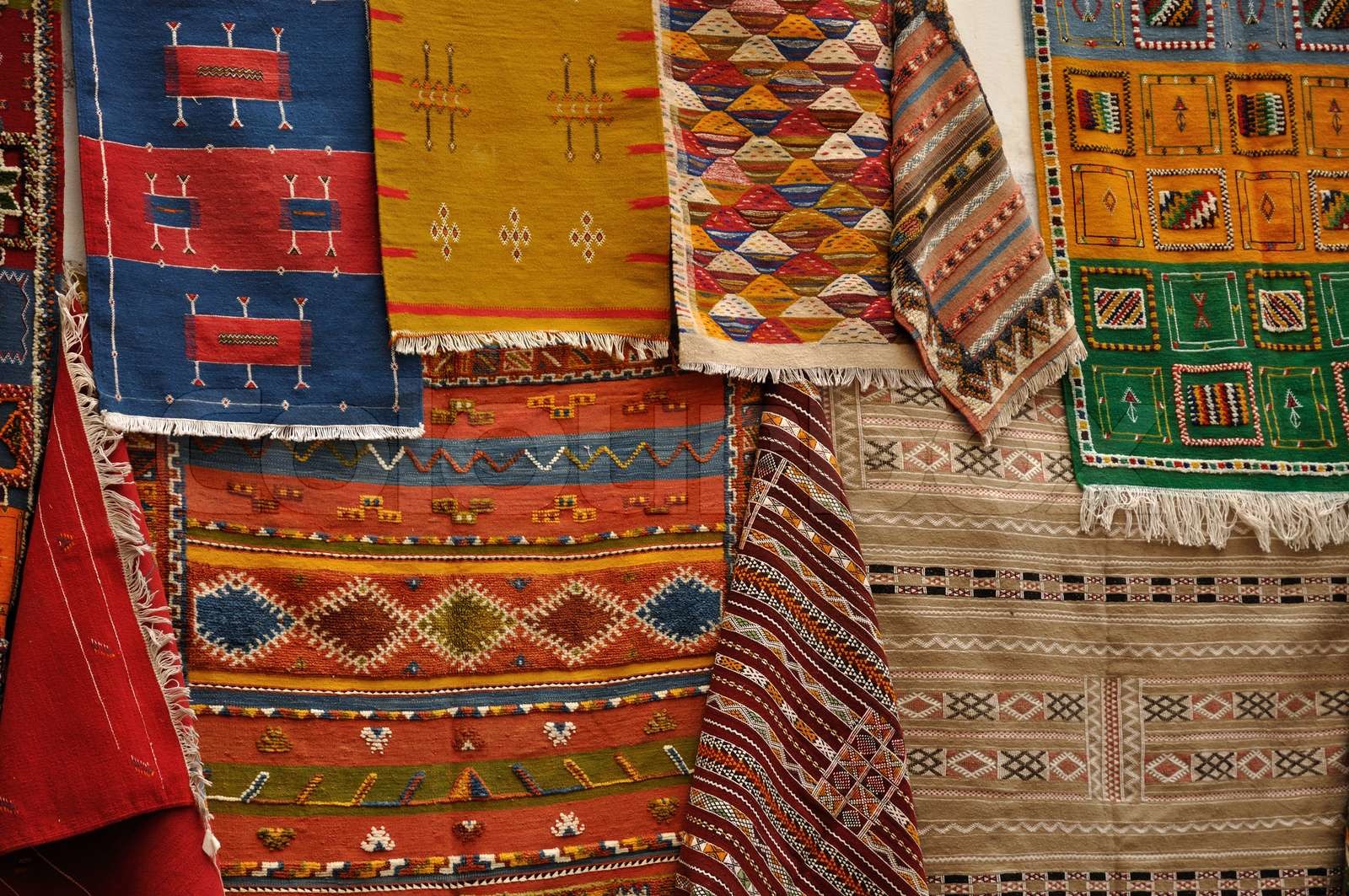
The Beni Ourain style has gained international fame for its minimalist aesthetic—cream wool backgrounds with simple black geometric patterns. These carpets fit seamlessly into modern interiors while maintaining their traditional character. Women weavers create each carpet on vertical looms, a process taking weeks or months depending on size and complexity.
Kilim weaving produces flat-woven textiles using different techniques than pile carpets. These lightweight textiles serve multiple purposes—floor coverings, wall hangings, and saddle blankets. The patterns often incorporate protective symbols and tell stories of the weaver’s life experiences.
Embroidery traditions vary significantly across Morocco. Fes produces delicate geometric embroidery in silk threads, often decorating clothing and household linens. The Rbati style from Rabat features floral motifs in vibrant colors. Each regional style reflects local aesthetics and historical influences.
Pottery and Ceramics
Moroccan pottery traditions date back millennia, with each region developing distinctive styles. Fes produces the famous blue and white pottery, inspired by Islamic geometric patterns and calligraphy. Safi, Morocco’s pottery capital, creates colorful ceramics featuring bold designs and vibrant glazes. The city hosts a major pottery district where hundreds of artisans maintain this ancient craft.
The pottery-making process begins with local clay, shaped by hand or on traditional wheels. After initial drying, pieces receive their first firing. Decorative work follows, with artisans painting intricate patterns using natural pigments. A final glazing and firing produces the characteristic glossy finish.
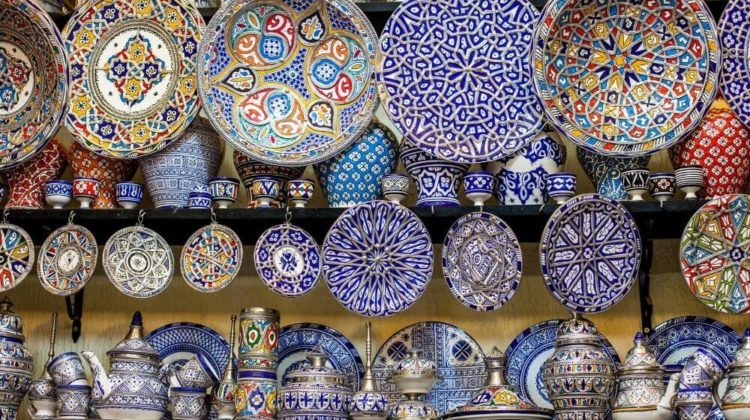
Zellige tile work represents one of Morocco’s most recognizable art forms. Artisans hand-cut glazed tiles into precise geometric shapes, then assemble them into complex patterns. This painstaking work adorns fountains, walls, floors, and architectural features throughout Morocco. Each piece requires mathematical precision and artistic vision, taking years to master.
Traditional Berber pottery, particularly from the Rif Mountains, maintains ancient techniques. Women artisans hand-build vessels without wheels, decorating them with geometric patterns using natural pigments. These pieces, often left unglazed, serve daily functional purposes while maintaining artistic beauty.
Metalwork and Jewelry
Moroccan metalworkers transform brass, copper, silver, and iron into functional and decorative objects. Lanterns, trays, mirrors, and furniture showcase the intricate piercing and engraving techniques that define Moroccan metalwork. Artisans hammer designs by hand, creating detailed patterns that cast beautiful shadows when illuminated.
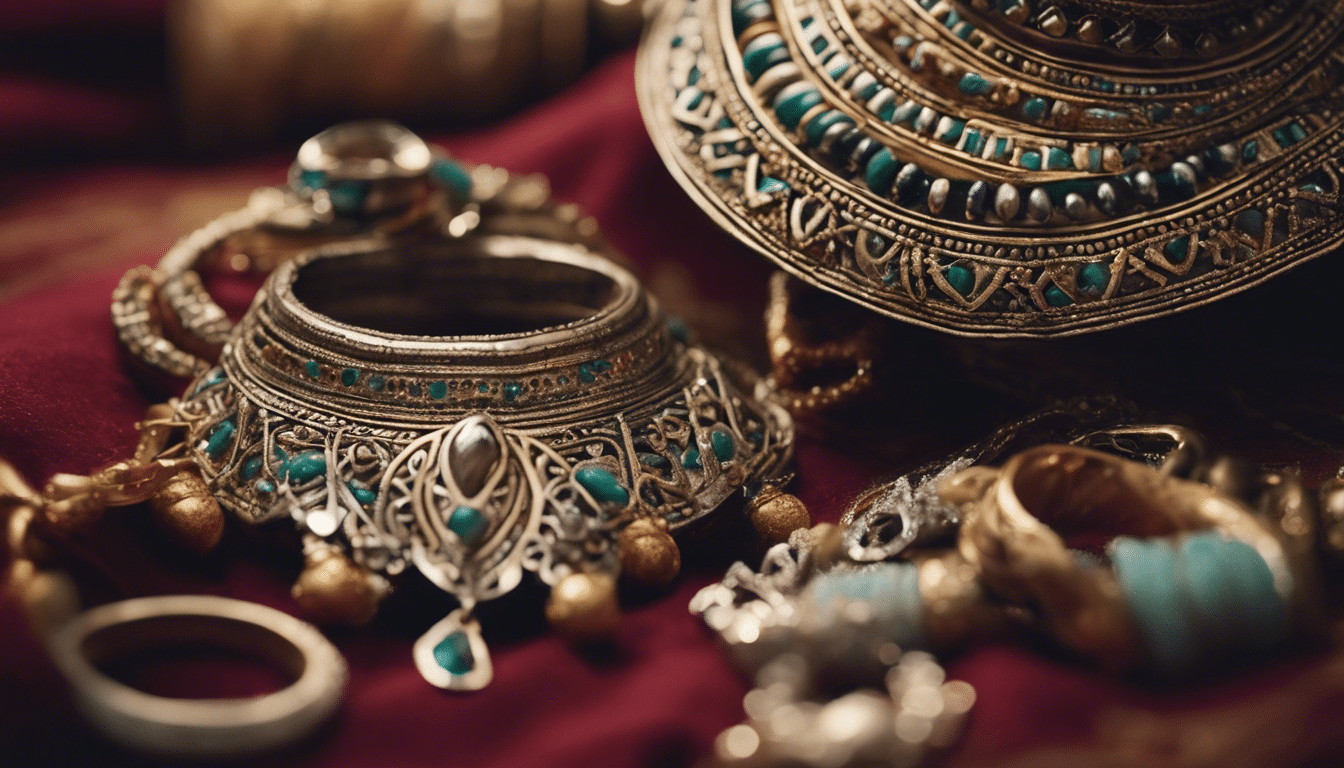
Jewelry-making represents one of Morocco’s oldest crafts. Berber silver jewelry traditionally served multiple purposes—adornment, wealth storage, and protective talismans. Designs incorporate ancient symbols: hands of Fatima (khamsa), crescents, triangles, and geometric patterns believed to ward off evil.
The Jewish jewelry-making tradition significantly influenced Moroccan designs. Jewish silversmiths were renowned for their skill, creating elaborate pieces for both Muslim and Jewish clients. Though most have emigrated, their techniques and designs remain embedded in Moroccan jewelry traditions.
Essaouira’s Thuya wood craftsmen create distinctive marquetry boxes, frames, and furniture. They use the root of the thuya tree, native to Morocco, known for its beautiful grain and aromatic properties. Artisans inlay the wood with mother-of-pearl, ebony, and other materials, creating stunning decorative pieces.
Leather Goods and Tanneries
Morocco’s leather industry centers in ancient tanneries, particularly those in Fes and Marrakech. The Chouara Tannery in Fes, operating since medieval times, continues using traditional methods. Hides soak in large vats filled with natural dyes derived from plants and minerals—poppy for red, indigo for blue, mint for green.
The tanning process remains largely unchanged for centuries. Workers treat hides with pigeon droppings and other natural substances to soften them. The smell can be overwhelming, but the results are stunning—supple leather in vibrant colors. This traditional process, while pungent, avoids harsh chemicals used in industrial tanning.
Moroccan babouches (leather slippers) represent the country’s most iconic leather product. Artisans hand-stitch these comfortable, backless shoes in myriad colors and decorative styles. Traditional yellow babouches are common for everyday wear, while elaborate embroidered versions suit special occasions.
Leather bags, poufs, and accessories showcase Moroccan craftsmanship. Artisans tool decorative patterns into the leather or leave it plain to highlight natural beauty. The leather goods market provides income for thousands of craftspeople while offering visitors authentic souvenirs of their Moroccan travels.
Woodworking and Architecture
Moroccan woodworkers create everything from delicate inlay work to massive carved doors. Cedar from the Middle Atlas mountains provides the primary material, prized for its durability and aromatic properties. Artisans hand-carve geometric and floral patterns, often painting or inlaying them with other materials.
The mashrabiya technique creates intricate latticed screens used in traditional architecture. These geometric patterns provide privacy while allowing air circulation—essential in Morocco’s climate. The mathematical precision required makes each piece a testament to the craftsman’s skill. Modern designers increasingly incorporate these traditional elements into contemporary architecture.
Painted ceilings represent another woodworking specialty. Artisans create elaborate geometric patterns in cedar, then paint them in rich colors and gold leaf. These stunning ceilings adorn palaces, riads, and important buildings throughout Morocco, representing the pinnacle of decorative woodwork.
Musical instrument making preserves traditional techniques. The oud (lute), guembri (three-stringed bass), and various drums require specialized knowledge. Master craftsmen select woods for their acoustic properties, shaping and assembling instruments that produce Morocco’s distinctive sounds.
Traditional Music and Dance
Moroccan music encompasses diverse genres reflecting the country’s multicultural heritage. Andalusian classical music, introduced by Muslims expelled from Spain, represents refined court music performed at formal occasions. This sophisticated genre uses traditional instruments and follows complex compositional rules developed over centuries.
Chaabi music, Morocco’s popular music style, dominates weddings and celebrations. This energetic genre encourages audience participation and dancing. Modern chaabi blends traditional instruments with contemporary sounds, appealing to younger generations while maintaining cultural roots.
Gnaoua music combines spiritual and musical traditions brought from sub-Saharan Africa. This trance-inducing music accompanies healing ceremonies called lilas. The hypnotic rhythms of the guembri bass combined with qraqeb (metal castanets) create an powerful sonic experience that has influenced contemporary fusion artists worldwide.
Berber music varies by region, with distinct styles in the Atlas Mountains, the Rif, and the Sahara. These songs often tell stories, preserve history, and accompany important life events. The ahwash, a collective song and dance tradition of the Atlas Berbers, brings entire villages together in communal celebration.
The ahidous represents another important Berber tradition where men and women form separate lines, performing synchronized movements while singing. This dance strengthens community bonds and often features at celebrations and festivals. Regional variations exist, each with distinctive movements and rhythms.
Moroccan Architecture and Design
Islamic Architecture Principles
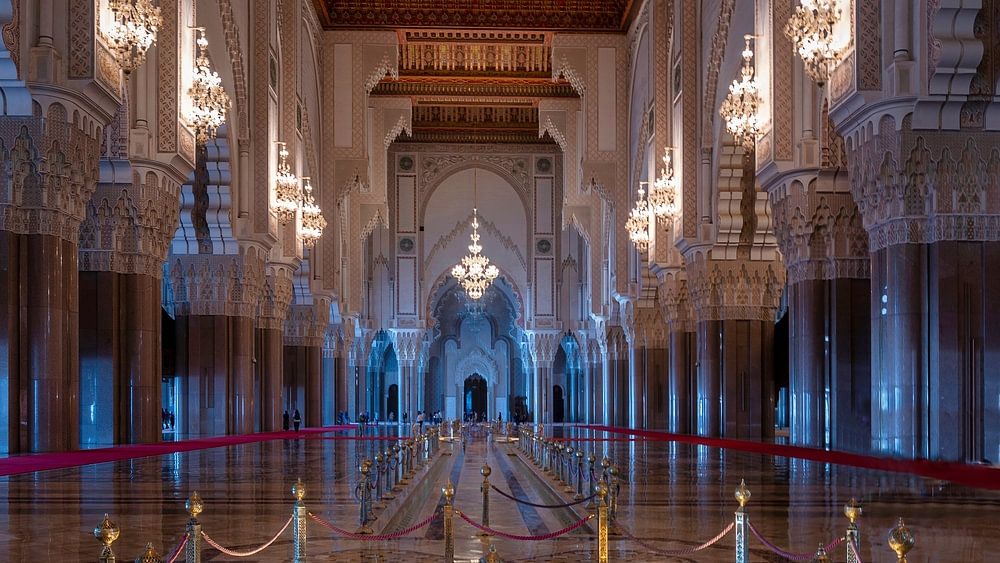
Moroccan architecture beautifully expresses Islamic artistic principles while incorporating local influences. The emphasis on interior rather than exterior decoration reflects the Muslim value of modesty. While facades may appear simple, interiors burst with color, pattern, and intricate detail.
Geometric patterns dominate Moroccan design, based on Islamic principles where representation of living beings is discouraged. These complex mathematical patterns symbolize the infinite nature of creation. Artisans combine polygons, stars, and interlacing designs to create mesmerizing visual effects.
Calligraphy serves both decorative and spiritual purposes. Quranic verses and religious phrases adorn walls, tiles, and architectural elements. The Arabic script’s flowing lines create beautiful artistic compositions while conveying sacred meanings.
Water features play crucial roles in Moroccan architecture. Fountains, pools, and water channels provide cooling effects while creating soothing sounds. Water symbolizes life and paradise in Islamic tradition, making it an essential design element in gardens and courtyards.
Traditional Moroccan Houses
The riad, a traditional Moroccan house built around a central courtyard, represents brilliant adaptation to climate and culture. High walls create privacy while the central open space provides light and ventilation. Rooms face inward, away from noisy streets, creating peaceful sanctuaries.
The courtyard typically features a fountain or pool with surrounding gardens. Orange trees, jasmine, and roses provide fragrance while offering shade. This design creates a microclimate, cooling the house naturally even in summer heat. The architecture encourages family gathering while maintaining separate spaces for different functions.
Zellige tile work, carved plaster, and painted cedar ceilings transform riads into works of art. Each architectural element receives attention to detail, with craftsmen spending months creating the decorative features. The result is a harmonious blend of form and function that has inspired architects worldwide.
Many riads have been restored and converted into guesthouses, allowing visitors to experience traditional living. Staying in a riad provides insight into Moroccan domestic life while supporting heritage preservation. These accommodations offer an authentic alternative to standard hotels during your Moroccan adventure.
Mosques and Religious Architecture
Moroccan mosques showcase the country’s architectural mastery. While non-Muslims cannot enter most mosques, the exterior features alone impress. Minarets rise above city skylines, their geometric patterns and tile work visible from afar. The Hassan II Mosque in Casablanca, one of the world’s largest, allows non-Muslim visitors to appreciate its grandeur.
The design of prayer halls follows specific requirements. The qibla wall, indicating Mecca’s direction, receives special decoration. Mihrab niches show particularly elaborate work, as they mark where the imam leads prayers. Minbars (pulpits) feature intricate wood carving and inlay work.
Madrasas, Islamic schools, combine educational and architectural functions. The Ben Youssef Madrasa in Marrakech exemplifies this building type. Students once lived in tiny cells surrounding elaborate courtyards. The contrasts between plain cells and decorated communal spaces emphasize the importance of learning and community.
Mausoleums of saints and holy figures attract pilgrims and visitors. These structures typically feature green-tiled roofs (green symbolizing paradise in Islamic tradition) and elaborate decoration. The Mohammed V Mausoleum in Rabat demonstrates how traditional forms continue to inspire contemporary architecture.

Language and Communication
Morocco’s linguistic diversity reflects its complex history. Arabic serves as the official language, with Modern Standard Arabic used in formal contexts. However, Darija, Moroccan Arabic dialect, differs significantly from other Arabic varieties and serves as the language of daily life.
Berber languages (collectively called Amazigh) are spoken by significant populations, particularly in rural areas. Three main varieties exist: Tarifit in the north, Tamazight in the central regions, and Tashelhit in the south. Since 2011, Amazigh has been recognized as an official language alongside Arabic.
French remains widely spoken, particularly in business, education, and urban areas. This colonial legacy means many Moroccans are bilingual or trilingual. In northern regions, Spanish maintains presence due to historical connections with Spain.
Communication in Morocco extends beyond words. Gestures, facial expressions, and body language convey important messages. Personal space norms differ from Western standards, with closer physical proximity during conversation being normal. Handshakes are common, though religious men may not shake hands with women.
The concept of face-saving influences communication styles. Direct confrontation or public disagreement is typically avoided. Indirect communication and euphemisms often express negative information. Understanding these nuances helps visitors navigate social situations during their tours in Morocco.
Social Customs and Etiquette
Family Structure and Values
Family forms the central unit of Moroccan society. Extended families often live near each other, maintaining close daily contact. Respect for elders is paramount, with their opinions sought on major decisions. Multi-generational households remain common, particularly in rural areas.
Traditional gender roles persist, though they’re evolving, especially in cities. Women’s participation in work and public life has increased significantly. However, family remains women’s primary sphere of influence, where their opinions carry substantial weight.
Marriage represents a union between families, not just individuals. Arranged marriages, where families select partners, remain common though the couple’s consent is required. Wedding celebrations can last several days, featuring elaborate ceremonies and traditional rituals that vary by region.
Children are cherished and receive significant attention from extended family. The collective approach to child-rearing means many adults share responsibility for children’s welfare and education. This creates strong community bonds and support networks.
Dining Etiquette
Moroccan meals follow specific customs that visitors should observe. Hands must be washed before eating, often with water poured from a decorative vessel. The right hand is used for eating (the left is considered unclean). When sharing a communal plate, only eat from the section directly in front of you.
Bread holds sacred status and should never be wasted or thrown away. Stale bread is fed to animals or used in recipes, but discarding it is considered disrespectful. Breaking bread rather than cutting it honors this tradition.
Complimenting the food shows appreciation for your host’s efforts. However, leaving a small amount on your plate indicates satisfaction—cleaning your plate entirely might suggest you weren’t given enough. Hosts will persistently offer more food, and politely accepting some shows good manners.
When invited to someone’s home, bringing a small gift is customary. Pastries, dates, or sweets are appropriate. Gifts should be given with the right hand or both hands, never with the left alone. Flowers are generally acceptable, though certain colors or numbers have specific meanings.
Dress Code and Modesty
Morocco follows moderate Islamic practices regarding dress. In cities, especially tourist areas, dress codes are relaxed, but modesty is still appreciated. Women should cover shoulders, cleavage, and knees. Men should avoid shorts except at beaches or pools.
In rural areas and religious sites, more conservative dress is expected. Women may want to carry a scarf to cover their hair when visiting certain locations, though it’s not legally required except in mosque courtyards (when permitted).
During Ramadan, even non-Muslims should dress more modestly out of respect. Public eating, drinking, and smoking during daylight hours should be avoided, as these are prohibited for fasting Muslims. Many restaurants close during the day but open for iftar.
Moroccan traditional clothing remains popular for special occasions. Women wear ornate caftans or takchitas—elaborate dresses featuring embroidery and decorative elements. Men may wear djellabas, long hooded robes, particularly for religious occasions or cold weather.
Religious Practices and Beliefs
Islam shapes many aspects of Moroccan life. The five daily prayers punctuate the day, called by the muezzin from minarets. Business may pause for prayer times, and visitors should respect these moments. Friday, the Muslim holy day, sees many businesses close for noon prayers.
Ramadan transforms daily rhythms. Muslims fast from dawn to sunset, refraining from food, drink, and smoking. Evenings become lively as families gather for iftar. Non-Muslim visitors should be respectful by not eating or drinking publicly during daylight hours.
Moroccan Islam incorporates Sufi traditions emphasizing mystical connection with God. This spiritual dimension appears in the veneration of saints, visits to shrines, and the popularity of Sufi orders. These practices coexist with orthodox Islam, creating a distinctive Moroccan religious identity.
Religious tolerance has historically characterized Morocco. The country hosted significant Jewish communities for centuries, and Jewish heritage sites remain important. Churches serve the Christian minority, though religious freedom varies between communities.
Conclusion: Preserving Heritage While Embracing Change
Moroccan culture and traditions continue evolving while maintaining their essential character. The challenge lies in preserving artisan skills, languages, and customs while embracing beneficial modernization. Organizations work to document traditional knowledge, support craftspeople, and educate younger generations about their heritage.
Tourism plays a complex role in cultural preservation. While it provides income supporting traditional crafts and practices, it also risks commercialization and cultural dilution. Responsible tourism that respects local customs, supports authentic artisans, and seeks genuine cultural exchange benefits both visitors and communities.
The revival of traditional festivals and moussems demonstrates renewed pride in cultural heritage. Young Moroccans increasingly value their roots, even while pursuing modern lifestyles. This balance between tradition and innovation characterizes contemporary Morocco.
For visitors, experiencing Moroccan culture means more than viewing it as tourists. Engaging respectfully with local people, learning basic Arabic phrases, supporting traditional artisans, and understanding cultural contexts enriches travel while contributing positively to communities. Planning your Moroccan journey with cultural awareness creates meaningful connections and unforgettable memories.
Morocco’s cultural wealth—from aromatic tagines to intricate zellige, from hypnotic Gnaoua rhythms to the geometric perfection of Islamic architecture—offers endless discovery. Each visit reveals new layers, encouraging return trips to explore deeper. The warmth of Moroccan hospitality ensures that while you may arrive as a tourist, you’ll leave as a friend, carrying memories of a culture that celebrates life, honors tradition, and welcomes the world with open arms.
Whether you’re sipping mint tea in a Marrakech riad, bargaining in a Fes souk, riding camels through Saharan dunes, or learning to cook tagine from a local family, Moroccan culture invites participation. It’s a living, breathing heritage that continues adapting while remaining true to its essence—a testament to the resilience and creativity of the Moroccan people.