

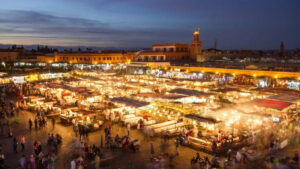
Marrakech, often nicknamed the Red City for the color of its walls and buildings, is one of the most vibrant and enchanting cities in Morocco. It is a destination that strikes a perfect balance between history, culture, and sensory overload. For centuries, it has stood as a crossroad between the Sahara Desert, the Atlas Mountains, and the Atlantic trade routes. Today, Marrakech is not only Morocco’s cultural capital but also one of the most sought-after destinations in North Africa. From its bustling souks (markets) to serene gardens, from medieval palaces to lively squares, Marrakech is an immersion into a world where tradition and modernity coexist in fascinating harmony.
This guide provides a deep dive into the must-see markets, gardens, and historical sites of Marrakech, along with practical insights and cultural context. Whether you are wandering through the labyrinth of the medina, sipping mint tea in a riad, or marveling at the artistry of Islamic architecture, Marrakech offers an experience unlike any other.
Why Marrakech Captivates Travelers
Traveling to Marrakech is more than visiting a city—it is stepping into an alternate reality where time feels suspended between the past and the present. The air is thick with the scent of spices, the calls of merchants, and the hypnotic beat of traditional Gnawa music. You’ll witness a mosaic of cultures, shaped by Berber, Arab, Andalusian, and French influences. This mixture of civilizations has left behind a living heritage reflected in Marrakech’s architecture, cuisine, crafts, and traditions.
Marrakech’s allure lies in its contrasts: chaotic souks give way to peaceful courtyards, opulent palaces sit next to humble dwellings, and centuries-old monuments stand tall alongside contemporary art galleries and trendy rooftop cafés. These contrasts make Marrakech a city to savor slowly, layer by layer.
Must-See Markets of Marrakech
The Souks of the Medina
The soul of Marrakech resides in its medina (old city), a UNESCO World Heritage site. Within its narrow alleys lies a network of souks—traditional markets—that feel like a living museum of Moroccan craftsmanship.
Each souk specializes in a particular type of product. For instance:
- Souk Semmarine: The main artery, filled with carpets, textiles, and leather goods.
- Souk El Attarine: Famous for perfumes, spices, and traditional oils.
- Souk Haddadine: Where blacksmiths still hammer metal by hand.
- Souk Cherratine: Known for leatherwork.
Wandering through these souks is an overwhelming yet exhilarating experience. The vibrant displays of saffron, paprika, and cumin pile up like jewels, while artisans shape pottery, lamps, and jewelry before your eyes. Bargaining is not just accepted but expected, adding another layer of cultural immersion.
Jemaa el-Fnaa Square
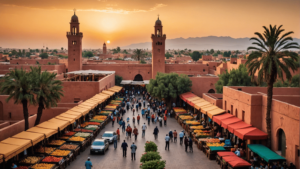
No description of Marrakech’s markets is complete without Jemaa el-Fnaa, the beating heart of the city. This vast square transforms throughout the day:
- In the morning and afternoon, it buzzes with fruit sellers, orange juice stalls, and henna artists.
- By evening, it becomes a stage for snake charmers, storytellers, and street performers. The square fills with the aroma of grilled meats, tagines, and harira soup from dozens of food stalls.
Recognized as an intangible cultural heritage by UNESCO , Jemaa el-Fnaa is not only a marketplace but also a hub of oral traditions, music, and popular culture.e Ouarzazate Day Trip from Marrakech.
Gardens: The Green Oases of Marrakech
Marrakech can often feel chaotic, but within its walls lie serene gardens that offer peace and reflection.
Majorelle Garden (Jardin Majorelle)
Perhaps the most famous garden in Marrakech is the Jardin Majorelle, created by French painter Jacques Majorelle and later restored by fashion designer Yves Saint Laurent. The striking cobalt blue walls, exotic plants, and tranquil pools create an otherworldly atmosphere. The garden also houses the Berber Museum, showcasing traditional artifacts of Morocco’s indigenous people.
Menara Gardens
Dating back to the 12th century, the Menara Gardens are centered around a large basin used for irrigation. Set against the backdrop of the Atlas Mountains, this site is iconic for sunset views and peaceful strolls. The olive groves and pavilion make it a popular spot for both locals and tourists.
Agdal Gardens
A UNESCO World Heritage site, the Agdal Gardens stretch over 400 hectares and are known for their orchards of orange, fig, and pomegranate trees. These gardens reflect the city’s historical mastery of irrigation techniques.
Le Jardin Secret
Hidden within the medina, Le Jardin Secret offers a fascinating look at Islamic garden design. It combines botanical beauty with cultural education, making it a favorite among architecture and history lovers.
Historical Sites: Tracing Marrakech’s Past
Koutoubia Mosque
The Koutoubia Mosque is Marrakech’s most famous landmark, with a minaret standing 77 meters tall. Built in the 12th century during the Almohad dynasty, its architecture influenced several later structures, including the Giralda in Seville. Non-Muslims cannot enter the mosque, but its gardens are open to all.
Bahia Palace
Built in the late 19th century, the Bahia Palace showcases Islamic and Moroccan architecture at its finest. With intricately decorated ceilings, zellij tilework, and lush courtyards, it was designed to be the greatest palace of its time.
Saadian Tombs
Rediscovered in 1917, the Saadian Tombs date back to the 16th century. They house the remains of members of the Saadian dynasty and are admired for their ornate carvings, marble columns, and colorful mosaics.
El Badi Palace
Once a symbol of Saadian wealth and power, the El Badi Palace now lies in ruins. However, its vast courtyards and remnants still evoke the grandeur of Morocco’s golden age. It also offers spectacular views of the city from its terrace.
Ben Youssef Madrasa
This former Islamic college is a masterpiece of Moroccan architecture. Its courtyards, stucco carvings, and cedar-wood details make it one of the most beautiful landmarks in Marrakech. Though currently restored, it remains a must-visit.
👉 Internal Link: Planning a cultural tour? Don’t miss our Fes Travel Guide.
Cultural Experiences & Local Life
Riads: The Heart of Hospitality
Staying in a riad—a traditional Moroccan house built around a courtyard—is one of the most authentic ways to experience Marrakech. These boutique guesthouses often feature fountains, mosaics, and rooftop terraces. A riad stay allows travelers to experience Moroccan hospitality firsthand.
Moroccan Cuisine
Food in Marrakech is an adventure in itself. Some must-try dishes include:
- Tagine: A slow-cooked stew made with meat, vegetables, and spices.
- Couscous: Served with vegetables and lamb or chicken.
- Pastilla: A savory-sweet pie filled with pigeon or chicken and almonds.
- Mint Tea: The drink of hospitality, served everywhere.
👉 Internal Link: Check out our Moroccan Food Guide.
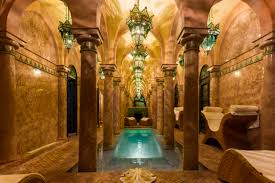
Traditional Hammams
A visit to a hammam (public bath) is both a cultural and wellness experience. Locals and travelers alike indulge in scrubs, steam, and massages. It is a ritual of purification and relaxation.
Festivals and Events
Marrakech is also known for its cultural festivals:
- Marrakech International Film Festival (official site).
- Festival of Popular Arts, celebrating Moroccan folklore.
Practical Tips for Visiting Marrakech
- Best Time to Visit: Spring (March–May) and autumn (September–November) are ideal for pleasant weather. Summer can be scorching, while winter nights can be chilly.
- Getting Around: The medina is best explored on foot. For longer distances, taxis and caleches (horse-drawn carriages) are available.
- Dress Code: Modest clothing is appreciated. Women should carry a scarf for entering religious sites.
- Language: Arabic and Berber are widely spoken, but French and English are also common.
- Currency: Moroccan Dirham (MAD). Credit cards are accepted in upscale establishments, but cash is essential for markets. Planning to explore beyond Marrakech? See our guide to the Sahara Desert Tours.
FAQ — Marrakech Travel Guide
- Is Marrakech safe for travelers?
Yes. While petty theft can occur in crowded areas, Marrakech is generally safe. Common sense precautions (like avoiding unlit streets at night) are recommended. - How many days do you need in Marrakech?
Three to four days are ideal for exploring the main highlights. For day trips (like to Ouarzazate or Essaouira), consider adding extra days. - What souvenirs should I buy in Marrakech?
Carpets, lanterns, spices, leather goods, and traditional ceramics are popular purchases. - Can I drink tap water in Marrakech?
It is recommended to drink bottled or filtered water. - Are credit cards accepted in the souks?
Cash is king in the souks, though some shops catering to tourists may accept cards. For a complete Moroccan adventure, see our Essaouira Travel Guide.
Conclusion
Marrakech is not just a city to visit but a world to discover. Its bustling markets, tranquil gardens, and timeless monuments create a unique tapestry that leaves travelers captivated. From the energy of Jemaa el-Fnaa to the serenity of Jardin Majorelle, from the grandeur of Bahia Palace to the intimacy of riad courtyards, Marrakech is an immersion into the soul of Morocco.
It is a city where every corner tells a story, every spice carries history, and every melody echoes centuries of tradition. Whether you are drawn by its cultural treasures, its culinary delights, or its sheer vibrancy, Marrakech offers experiences that remain etched in memory long after your journey ends.